
So we're going to do a series that goes over prehospital blood products, primarily for use in trauma. We'll be breaking down what's inside blood, what the different components are, how it's stored, how it's administered, and some of the advantages and disadvantages of each.
Red Blood Cells
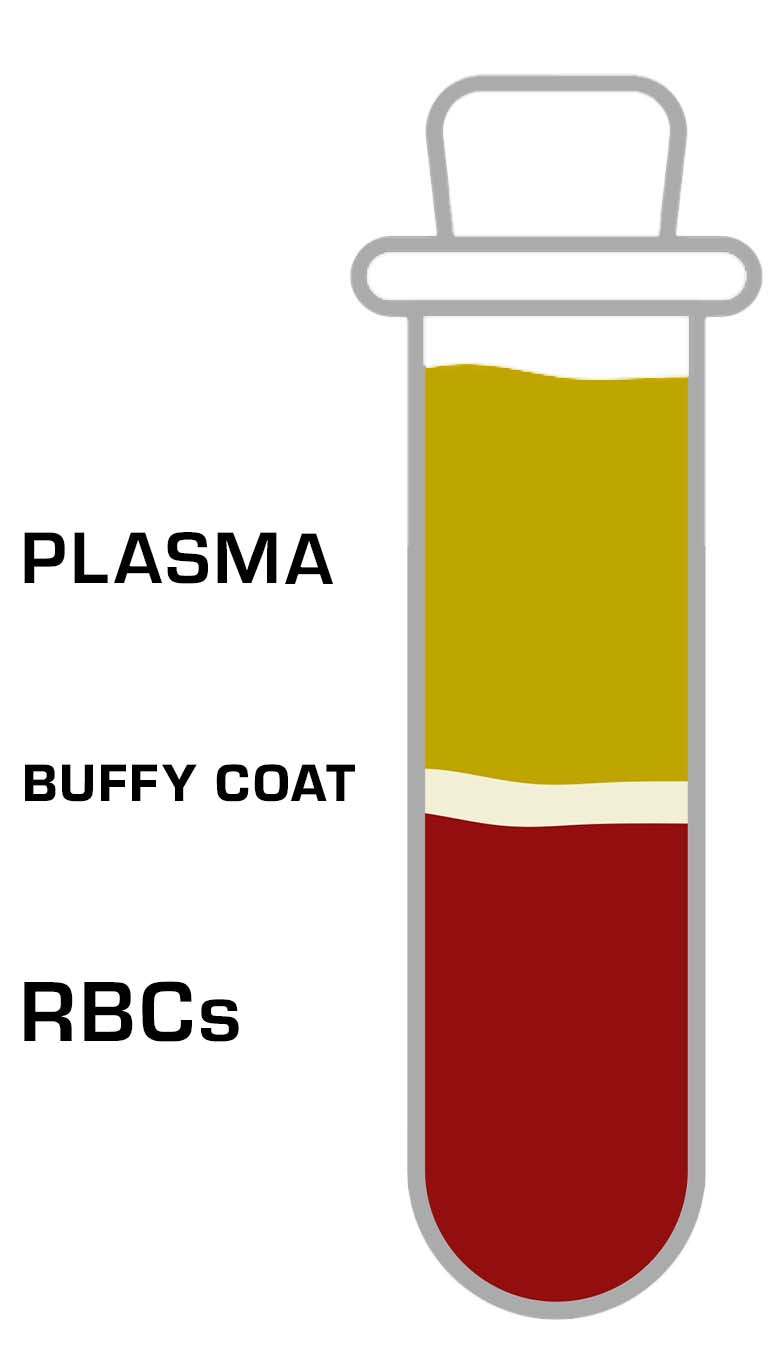
So the first thing that we need to do is talk about what is inside blood. The first thing that you think about is red blood cells. It's what makes blood red, and it's the primary thing that carries oxygen to and from the tissue. So it takes oxygen, transports it from the lungs and delivers it to the tissues.
So it really maintains that blood oxygen supply to the tissues. The main problem with hemorrhagic shock is you're getting a lack of oxygen delivery to the tissue. So if the red blood cells aren't there, you simply can't get oxygen to the tissues. It's a very important component within blood.
Buffy Coat
The second thing that you find is something called the Buffy coat. And within that are two primary things. One is white blood cells, which we don't use for prehospital use, and the second one is platelets. Platelets are the primary structure that go to the site of vessel disruption where there's bleeding. They stick together and they stick to that hole and basically make a plug to help stop bleeding. A very important component when you're bleeding, and you need to stop bleeding.
Plasma
The third component is plasma. Plasma is the primary carrier of what's in blood. It's made up of a lot of water. It's got electrolytes, it's got proteins, and most importantly, in prehospital trauma use, it's got clotting factors, all the necessary chemicals that start and maintain that chemical reaction as you start to clot blood and turn it from liquid into solid so that you can stop bleeding.
When you're in hemorrhagic shock, you start using up those clotting factors rapidly. You can run out of clotting factors very quickly and without those clotting factors, you can really just bleed out and bleed and bleed, and you're not going to form the necessary clots to stop bleeding. So it's important that these are replenished in the prehospital space as soon as possible.