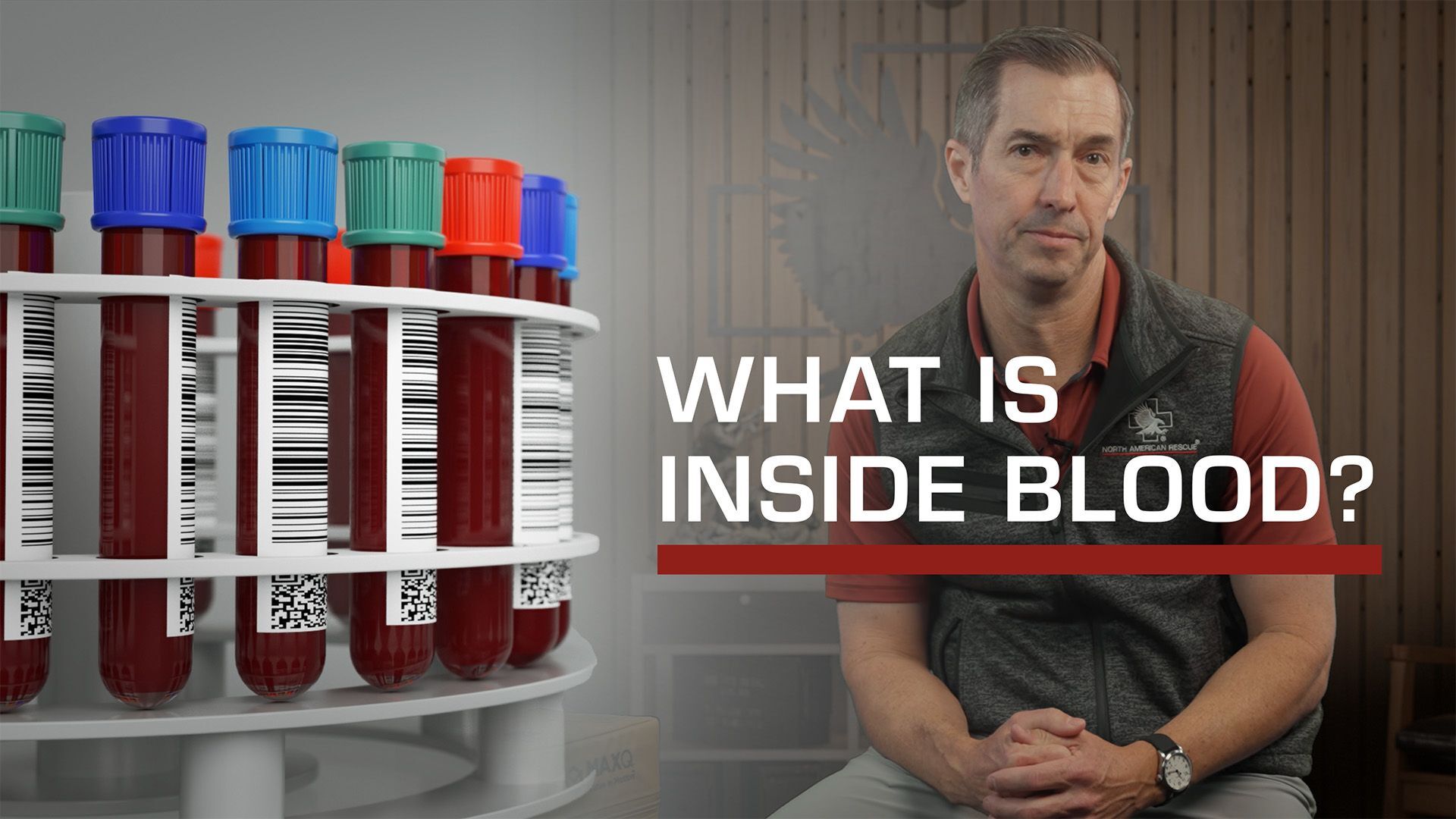
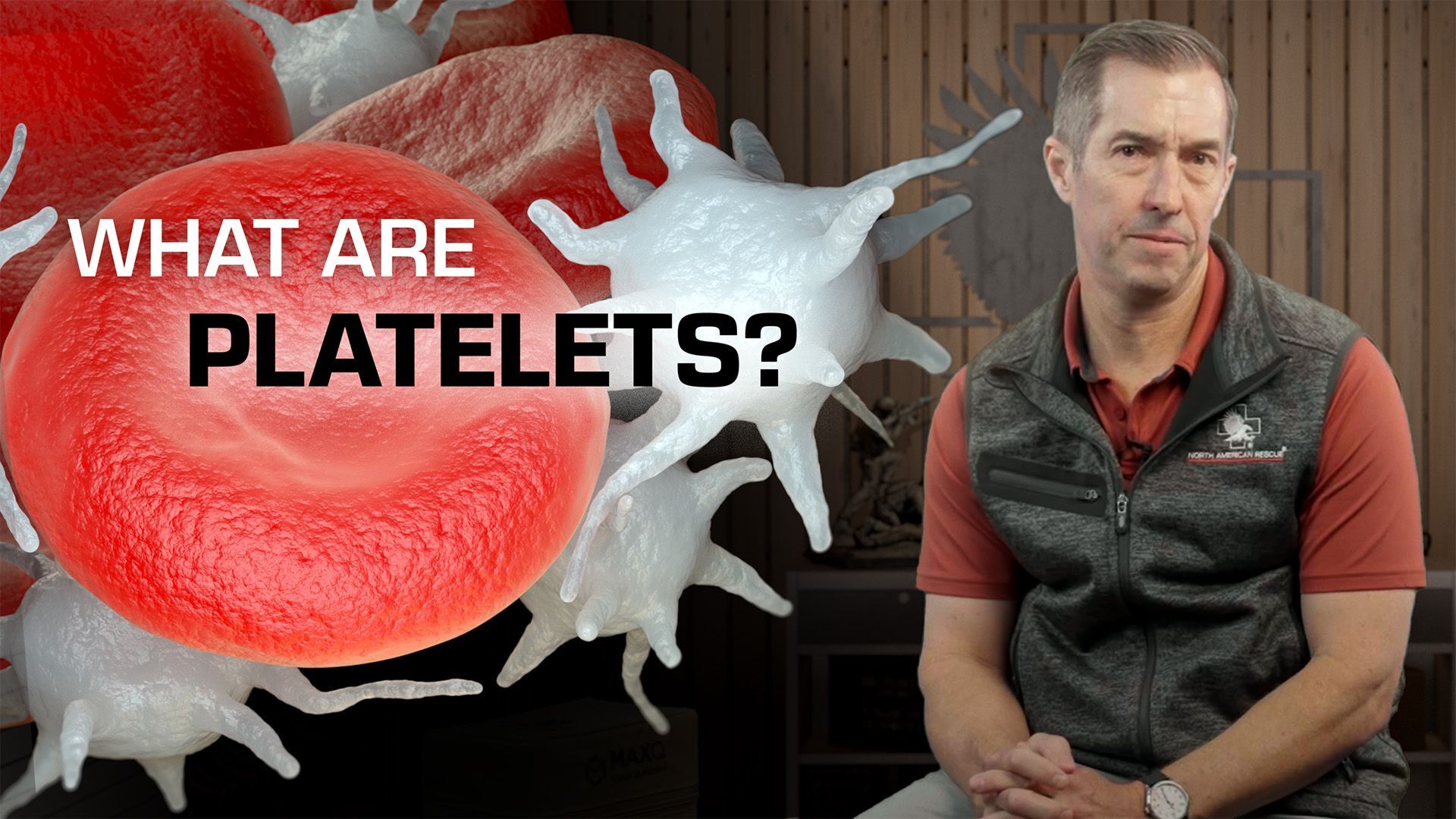

So we're going to do a series that goes over prehospital blood products, primarily for use in trauma. We'll be breaking down what's inside blood, what the different components are, how it's stored, how it's administered, and some of the advantages and disadvantages of each.
What do Platelets do?
The second component of blood is platelets. So what do platelets do?
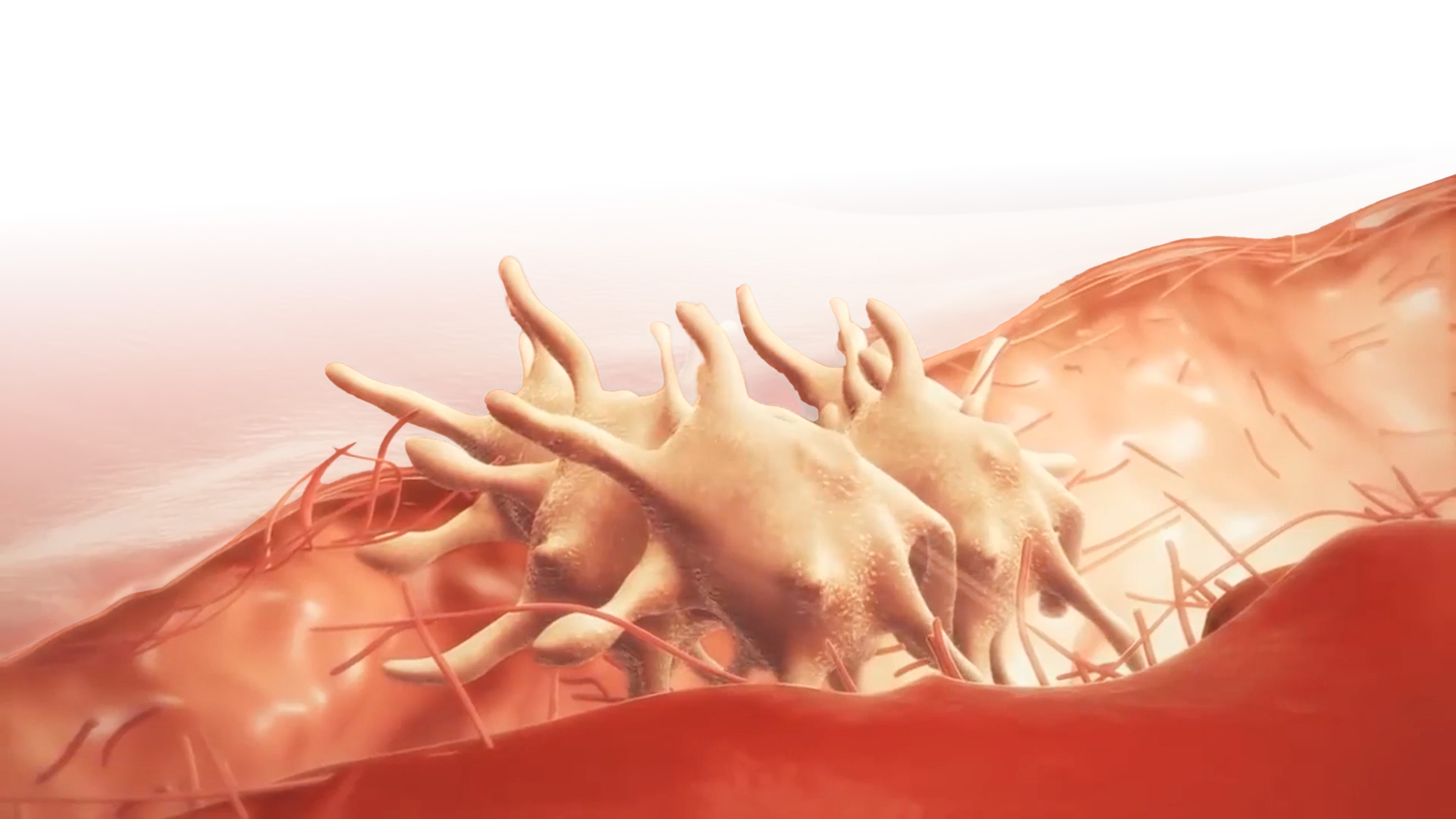
Platelets basically work to form clots. When a blood vessel is cut because of trauma, either blunt or penetrating trauma, that blood vessel has a hole in it. What platelets do is they'll aggregate or kinda stick to where that break in the blood vessel is, and then they will start sticking together. This triggers a clot formation based on those platelets. It also sort of attracts more platelets to that site, so then those platelets build, and they'll fill that hole and form like a plug that temporarily stops bleeding.
Platelet Storage
Platelets are carried in a plastic bag with a preservative. If they're stored at room temperature, they last 5 days. The problem with that is they need to be consistently agitated as you're holding them, or they'll start clumping together. Again, like any other blood product, over time they start decreasing in efficacy.
There have been some recent studies that look at the use of cold-stored platelets. There's some great data coming out that show that cold-stored platelets are good for up to 14 days. This really helps in the prehospital environment because now it increases the supply chain, and it makes a stronger potential to get platelets to the site of injury to help with the bleeding component and to stop that bleeding, especially with internal hemorrhage in your patient in hemorrhagic shock.