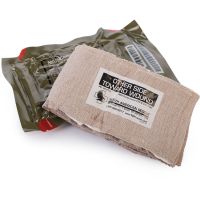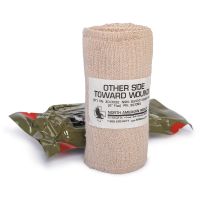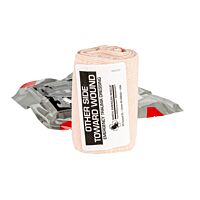
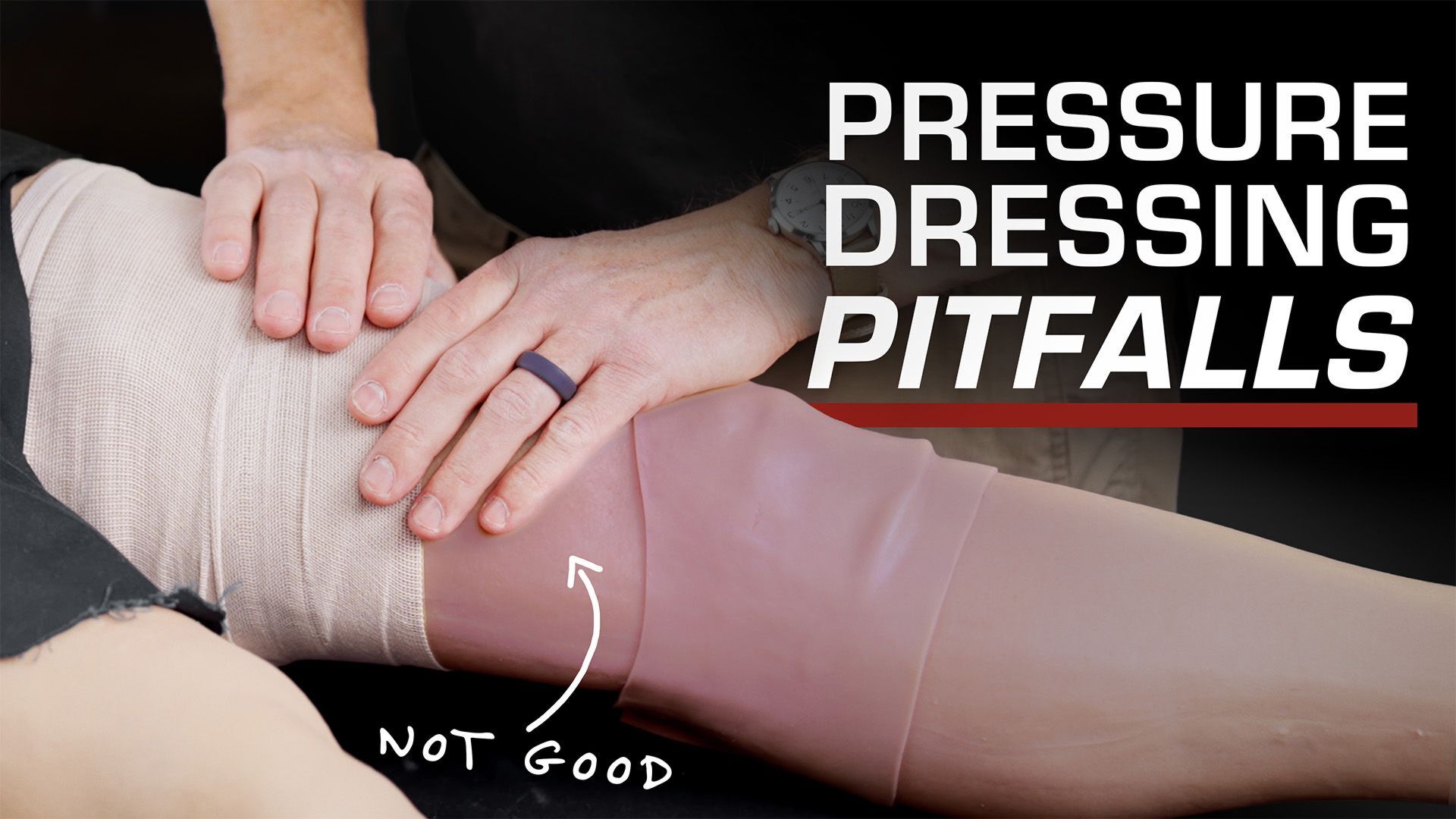

Let's talk about pressure dressing pitfalls, primarily, if you go too tight and you create a venous tourniquet, what can happen, and how to avoid that.
Pressure Dressings Can Be Harmful If Applied Incorrectly
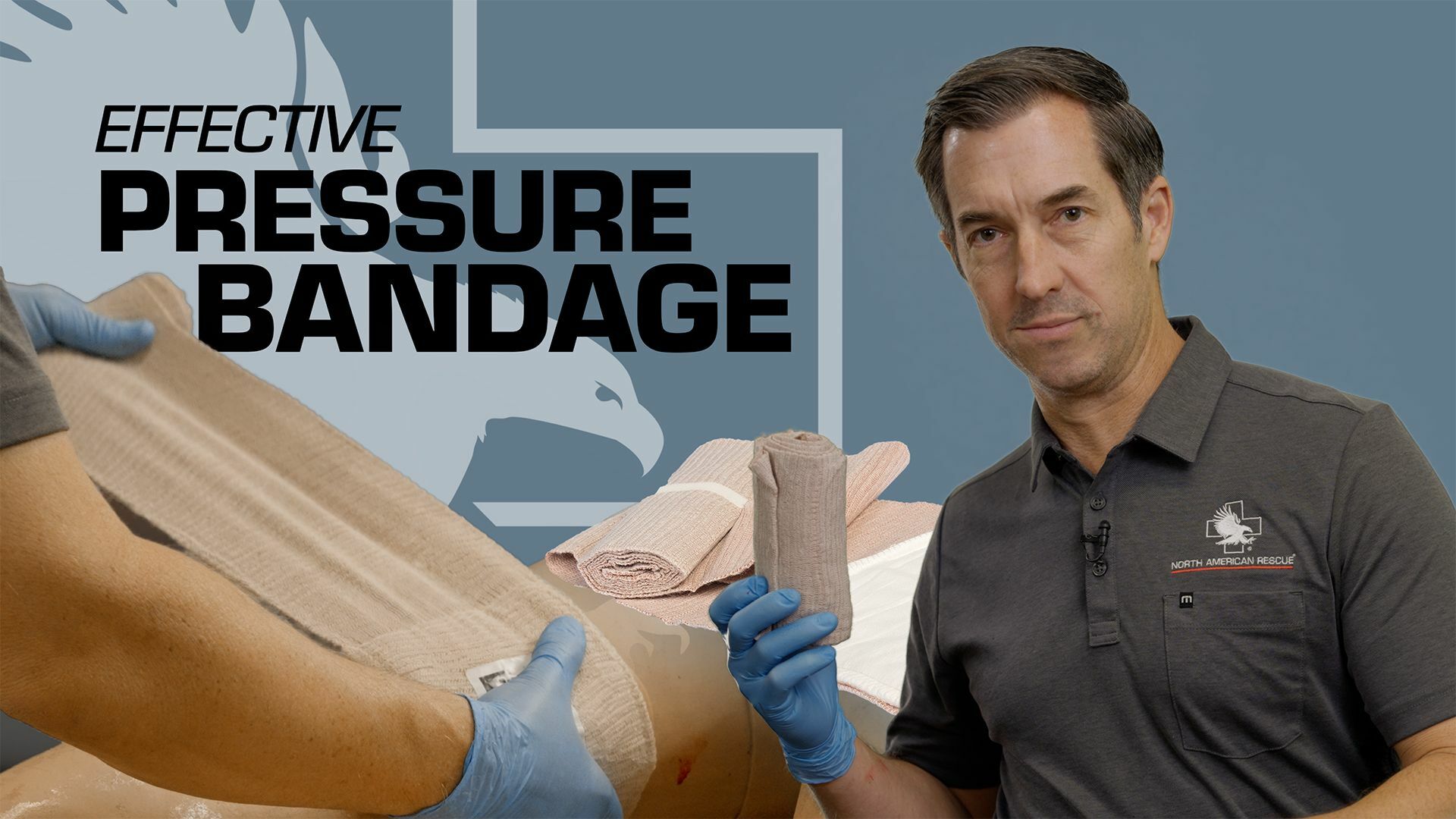
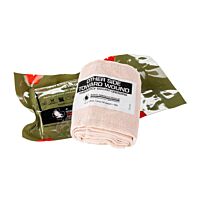
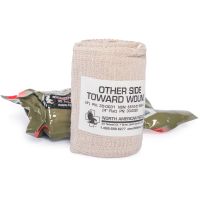
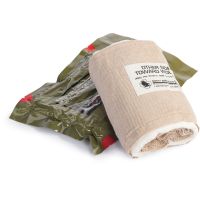
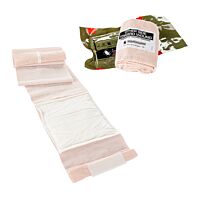
A pressure dressing is a tool in your tool bag, and you've got to know when to use it and how to use it properly, or else you can actually do harm to your patient. So in this patient, they've got a medial thigh wound that I've already packed with wound packing gauze. I'm holding pressure for a few minutes and now it's time to apply the pressure dressing. I'm going to put the pad side right down over where I just applied wound packing gauze. As I wrap, I am going to pull pressure. I'm going to pull tight and wrap. Now as I'm doing this, I can also go too tight, so if I really stretch and pull. And continue to do that all the way around. Then I'm going to wind up creating what's called a venous tourniquet.
What is a Venous Tournquet?
A venous tourniquet occurs when you apply a pressure dressing that is tight enough to occlude the veins in that extremity, but not tight enough to occlude the artery. So what happens is we've still got arterial flow coming down into the leg, but then venous flow is not following back up to the rest of the body. The problem with that is you've got arterial flow in no blood flow out, and therefore it creates an extreme amount of pressure throughout the extremity.
Now, some of the times you can create this and not even realize it, so I've got a good pulse. I've applied my dressing. It looks like I've got hemorrhage control. I'm feeling pretty good about it, but now we need to continually reassess because if I put this on too tightly, I can start causing harm in this leg, especially if this patient is going to be out of the hospital for a while, if it's a prolonged evacuation for whatever reason.
Now, some of the times you can create this and not even realize it, so I've got a good pulse. I've applied my dressing. It looks like I've got hemorrhage control. I'm feeling pretty good about it, but now we need to continually reassess because if I put this on too tightly, I can start causing harm in this leg, especially if this patient is going to be out of the hospital for a while, if it's a prolonged evacuation for whatever reason.
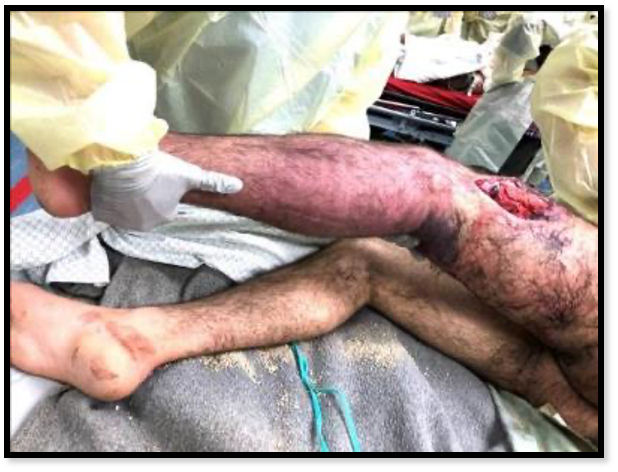
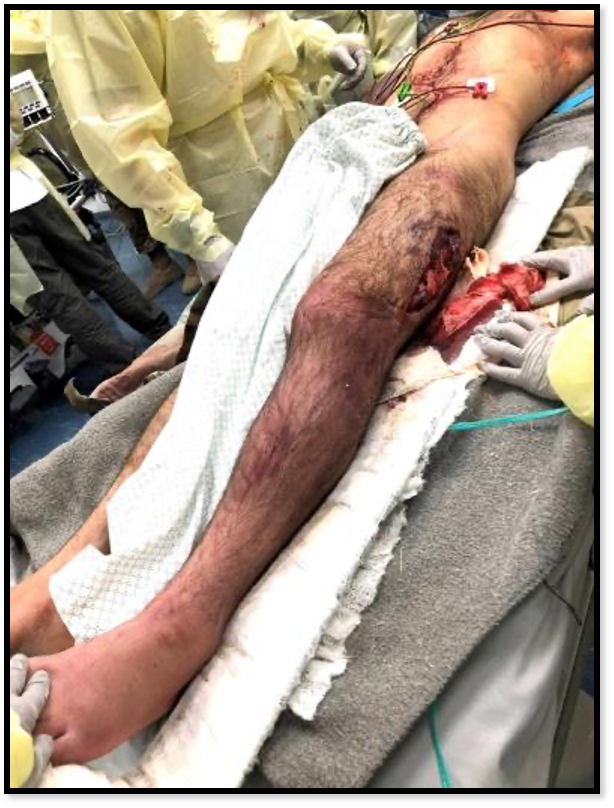
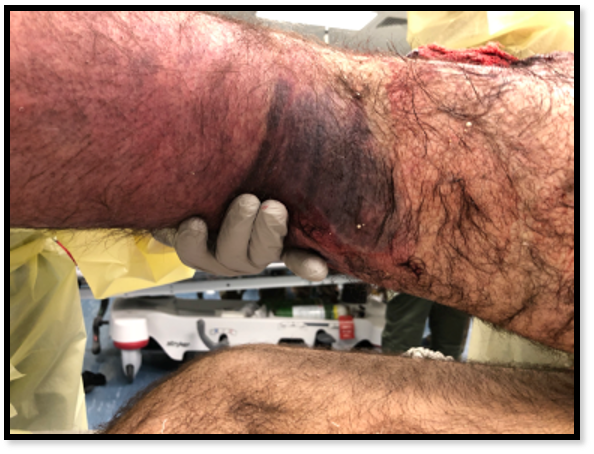
There's a few pictures that will show here that was given to me by Dr. Stacey Shackleford, who reviewed a case where the patient had a venous tourniquet for a prolonged period of time due to a too tight of a pressure dressing, and that patient wound up having bilateral fasciotomies where they had to cut the fascia, open up the leg and had enough tissue damage that they wound up losing the leg because the dressing was on too tight.
So I'm not trying to scare you and say "don't pack appropriately, don't put a good pressure dressing on." You absolutely should, but there is a thing about doing it too tight.
Monitor The Patient
So if I've applied my pressure dressing. I'm going to continue to monitor this patient all throughout the evacuation till I hand off to a higher level of care. What I'm going to do is I'm going to monitor for things like a pulse. If my patient is conscious, I'm going to ask them about their pain level. If they start seeing a significant increase in pain, it could be due to compartment syndrome that is building because this pressure dressing is on too tight. I'm also going to look at the skin and look for skin changes.
So if I see dark dusky skin, If I'm not getting good capillary refill, then I know that there's a problem with circulation in this limb. A good way to do that too is to just compare it to the uninjured limb. If I'm starting to see color changes, if it looks different than the other limb, then I'm going to be concerned about that.
If that's the case, no problem. All you have to do is just take down that pressure dressing and then reapply with a little less force than you did before. Same thing. We're going to take another look and we're going to continue to monitor that patient. So that was a look at the pitfalls of applying a pressure dressing.
Hopefully now you've got a better education and understanding on how to properly apply. One, how to monitor your patient and take action if you've created a venous tourniquet.