In this post, we will discuss the history of first responders and body armor and why we need to fundamentally change how we think about ballistic protection.
So the idea of body armor and first responders essentially started with the rescue task force concept, and that idea is you would have a small group of individuals who are fire and EMS that have additional training and equipment that would then go with law enforcement into a dangerous environment, such as an active shooter event, and try to provide medical care at that point.
A Changing Environment
So what has changed in the last couple of years? Well, essentially three key components:
- A decline in policing. We have a large number of law enforcement officers that are simply leaving the job. We're not able to recruit as many people into law enforcement, which is resulting in declining police numbers overall. And remember, first responders require and need the law enforcement present at any dangerous scene to keep the scene safe. So without that law enforcement presence, it's already putting first responders in increased danger.
- We have a rise in violent crime. There's no doubt, just turn on the news, that violent crime in our big cities and across the nation is rising at a pretty alarming rate. I would say in my lifetime, nothing like this has happened at such a dramatic rise.
- A large increase in violent attacks directed at first responders. Now there's no national database to track violence against first responders, so most of the information is anecdotal, but it doesn't take much digging and talking to first responders around the country to learn that violence is going up. They're being attacked on a regular basis, and often it's not during a violent scene, it's on a routine call, a transfer, a medical call where they're experiencing directed violence against them. So because of that, we have to shift our mindset in Fire and EMS from Armor just being for Rescue Task Force to a daily wear.
Body Armor as PPE
In response to questions as whether body armor's considered PPE, OSHA issued a statement and said it considers equipment or clothing such as body armor, a bulletproof vest, or stab stab-resistant vest to be personal protective equipment that may be required. The National Fire Protection Agency 3000 standard recommends NIJ HG2 (Level IIIA) as the minimum protection in the recently released active shooter and hostile events response document. The International Association of Firefighters' policy document directs EMS and firefighters to wear ballistic protective equipment as PPE and active shooter events. You know, in the past with Rescue Task Force, there's been this idea that, "it's just good enough. Whatever they give me is fine." It's a check the box mentality that some first responder agencies had regarding Body Armor, assuming that they really were not going to wear them.
What we've seen in the last two years, if things have changed. The working environment for first responders is increasingly more dangerous and hostile. They're experiencing gunfire at an alarming rate that we haven't seen before. They don't have the police presence to keep them safe that we had before. Now, because of that, we have to adjust our mindset on body armor. Body Armor is not just for rescue task force or tactical EMS anymore. This is something you must consider to have access to on a daily basis, to keep yourself safe.
In an environment where gunfire is a possibility. We have learned from law enforcement that the best way to keep yourself safe is wearing body armor.
Daily Wear of Body Armor
In light of the previous information, it's obvious that first responders need to consider body armor as daily PPE. The goal for any armor is to maximize ballistic protection while minimizing its impact on job performance.
The goal for any armor is to maximize ballistic protection while minimizing its impact on job performance.
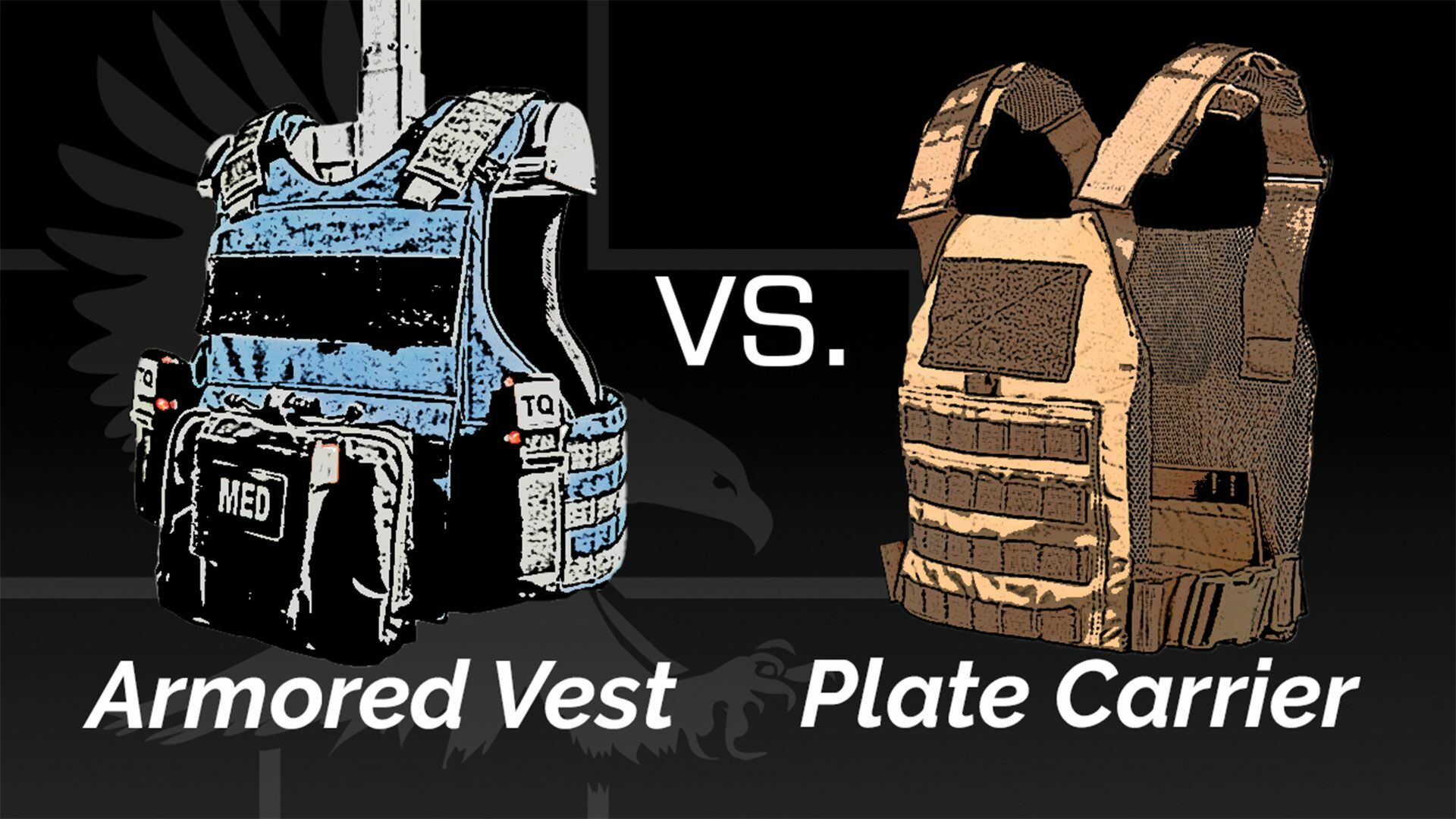
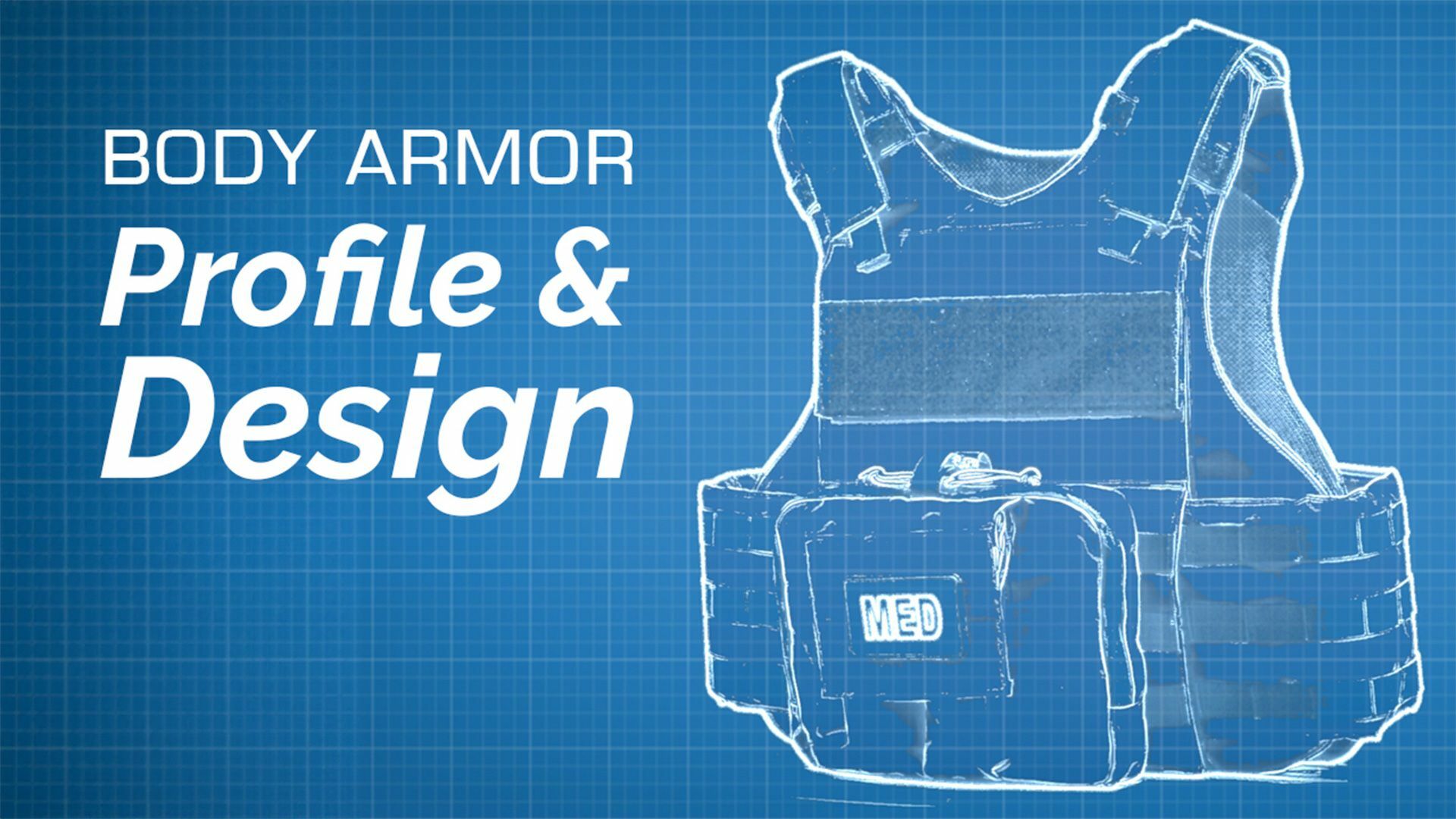
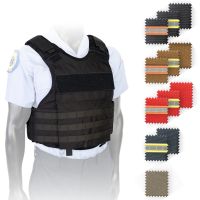
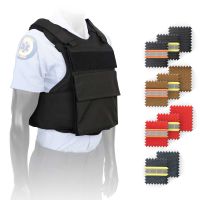
When selecting an armor package, it's important to choose armor that's not too bulky or too heavy. An armor package that's bulky or heavy is going to interfere with your range of motion and will discourage its daily use. Proper fitting of the vest will maximize ballistic coverage and increase user comfort.
Body Armor for Law Enforcement vs. Fire & EMS
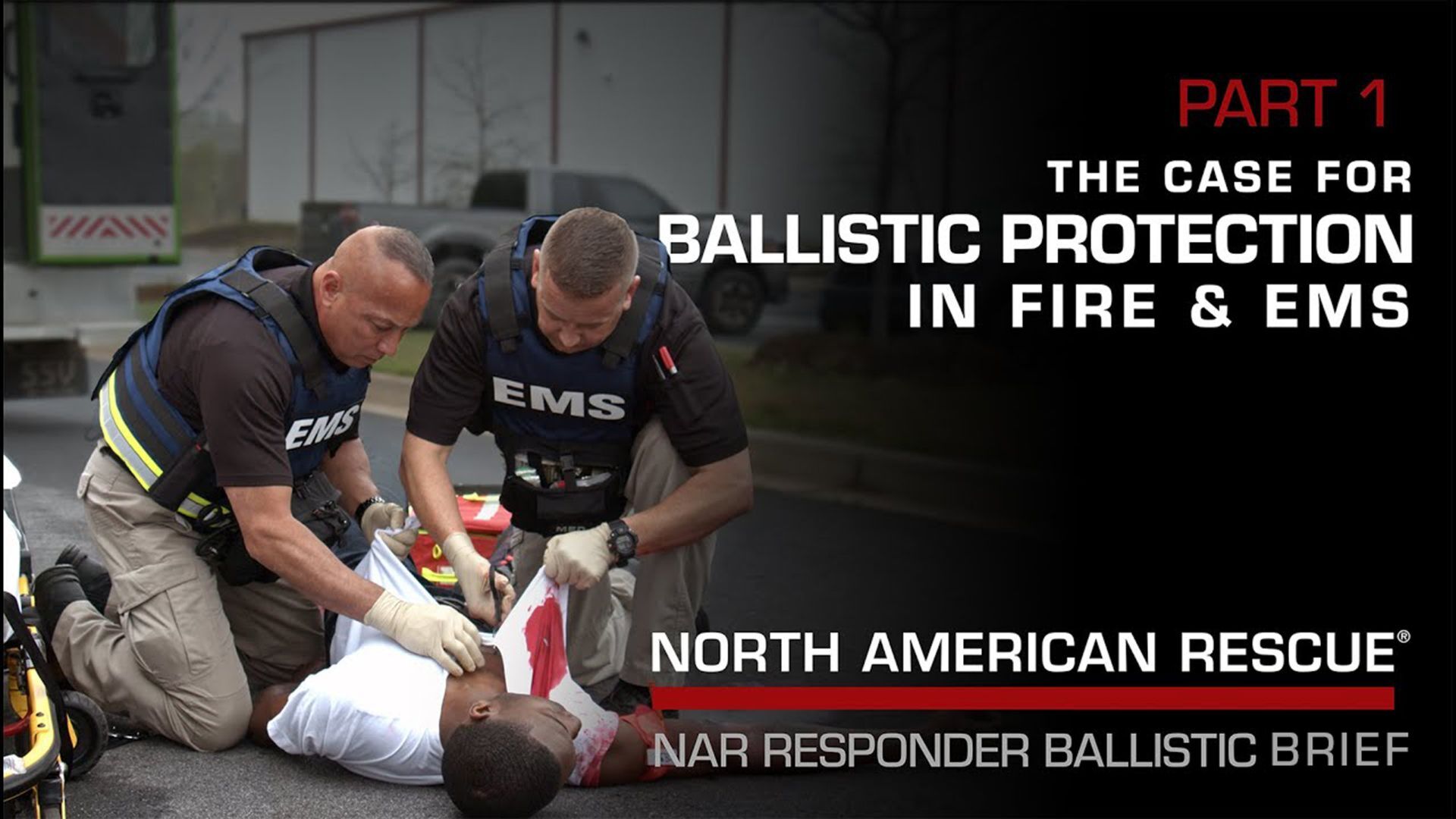
There's a difference in body armor for law enforcement and first responders because of the job functions that we require. If you're a paramedic in the field, you're performing duties that often require both of your arms to cross center lines to perform medical skills and treat a patient. That's something that law enforcement body armor has not had to address in the past. That's why the cut of the first responder vest is so important. You have to be able to perform your job duties while staying protected, otherwise, it's simply the wrong gear. So what does daily wear of body armor look like for first responders?
We recommend body armor be worn in any scenario where there's a potential for violence, domestic violence, obviously gunfire, and frankly, any situation that could escalate, you need to have access to body armor.
Paving the way for Body Armor
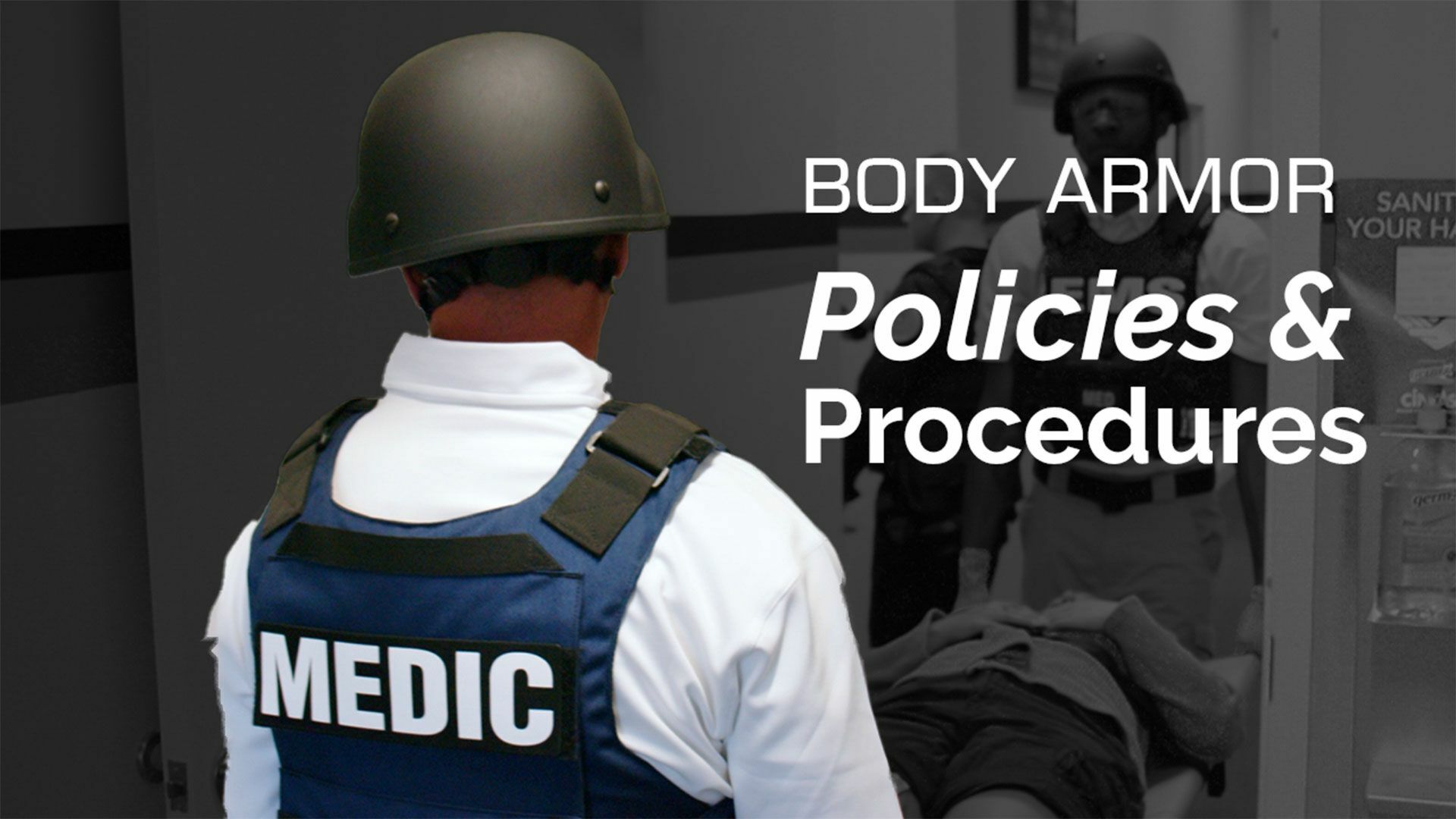
So one of the big issues right now with first responders and body armor is policy or lack thereof. When the NAEMT did a large national study, they found that only about a third of the departments had a policy on body armor. And we don't know if that was a positive policy towards body armor or negative, but that's one of the primary things that has to change. When law enforcement adopted the daily wear of body armor in the late eighties, that was one of the first things that had to change is the implementation of policies that were positive towards their members wearing body armor. And in fact, most departments at this point for police departments, it's mandatory that you wear body armor every shift, all the time. In addition, there need to be changes for funding and grant sources so that first responders have access to body armor as daily PPE, and not just for rescue task forces.