In this next section, we're going to discuss the most common types of firearms used during violent crime. We're going to talk about the statistics of firearms that are used during different types of violent crime, and then we'll recommend an evidence-based approach to choosing body armor for your department.
The Most Common Types of Firearms
This slide shows the Uniform Crime Reporting System statistics for violent crime from 2000 to 2019.
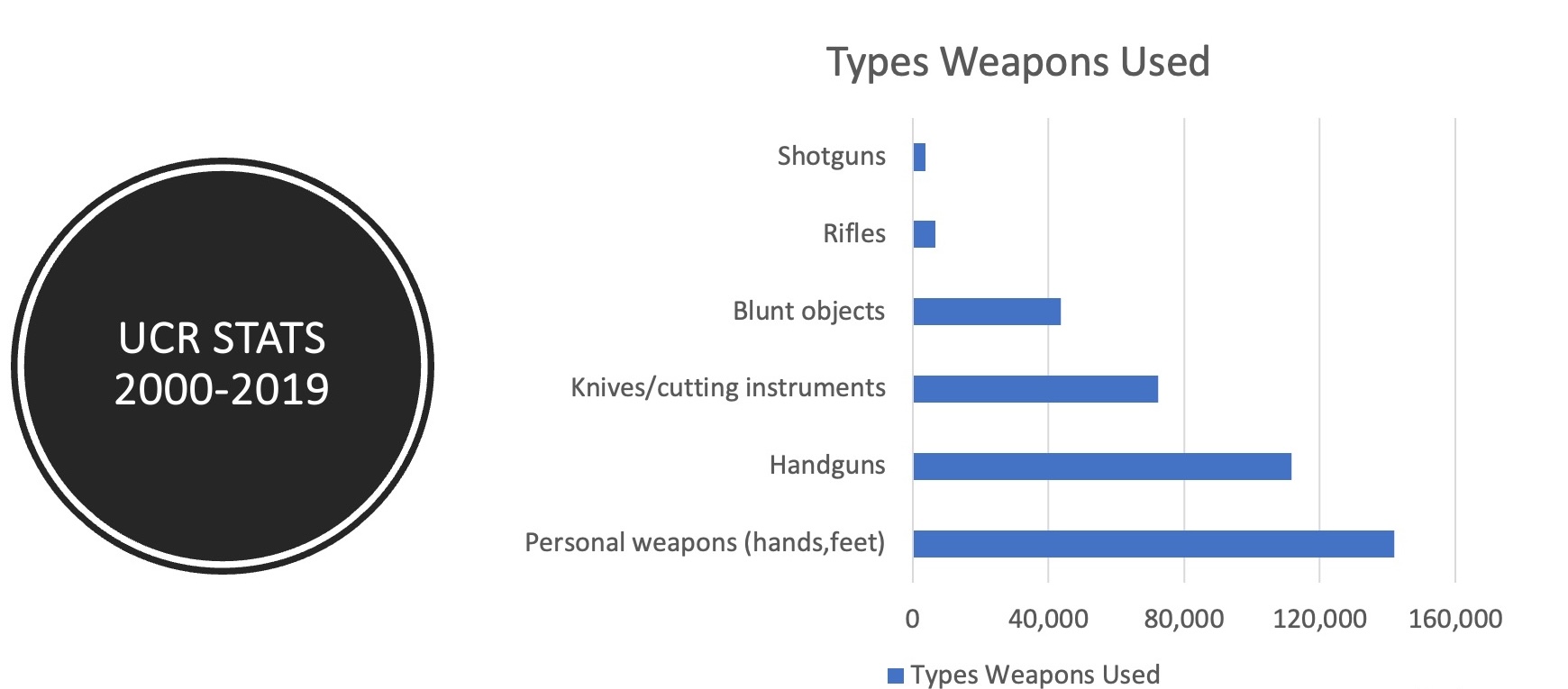
You can see here that the most common types of firearms used during violent attacks are handguns. The 2020 UCR data shows that 62% of victims were shot with handguns while 38% of the victims were shot with rifles, shotguns, or other firearms not defined as handguns.
From 2011 to 2020, 503 police officers were killed in the line of duty. Out of those, 326 were killed with handguns.
Projectiles and Bullets
It's obvious from this data that handguns are the most common threat that we face. In order to make a better decision on body armor, it’s important that you understand projectiles and bullets.
There are many ballistic factors that influence armor performance:
- Velocity of the bullet: how fast it goes.
- The size and weight of the actual projectile
- Bullet Design and construction.
Velocity and bullet material are the most important factors in choosing ballistic protection.
The Most Common Pistol Threat
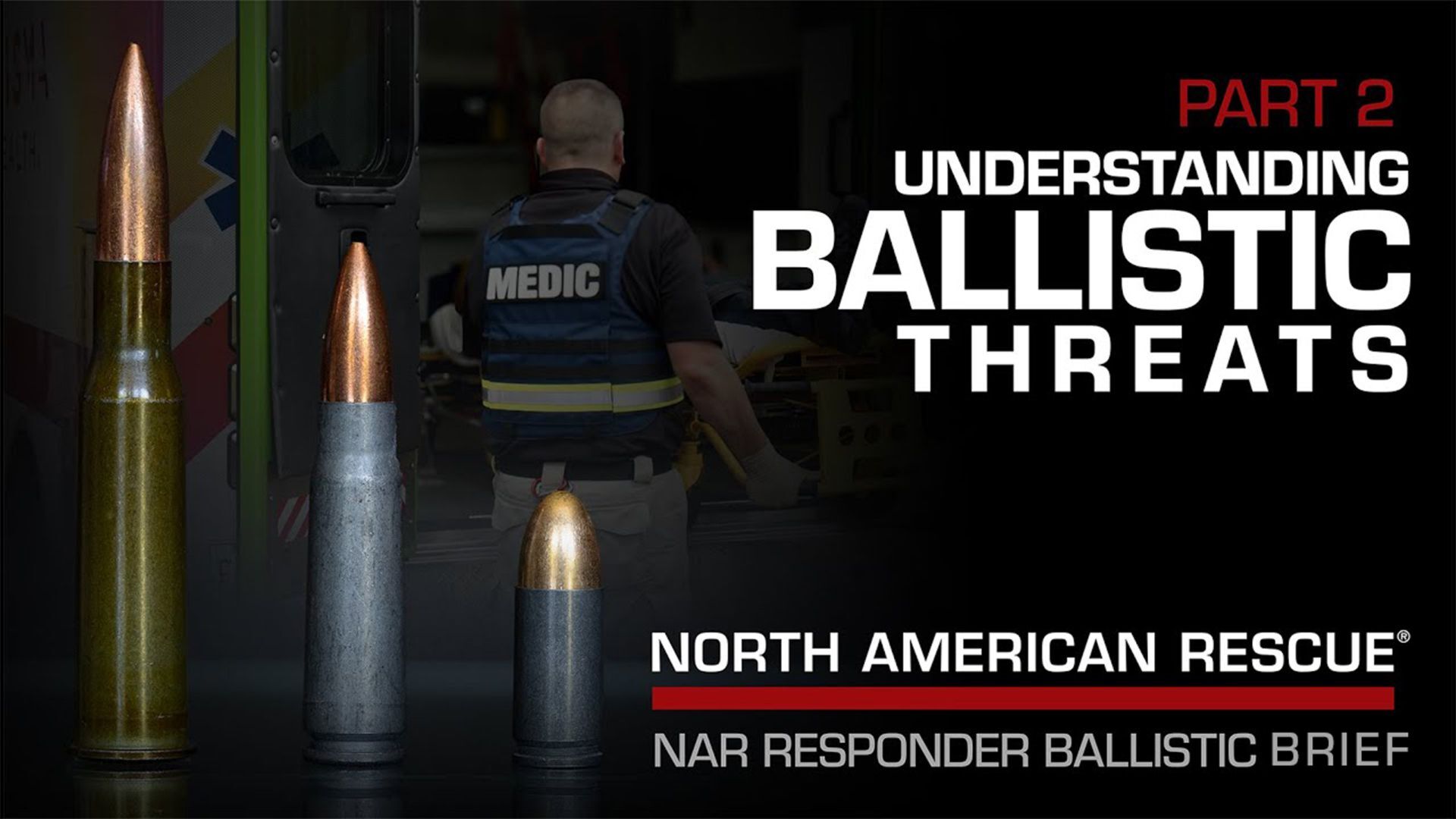
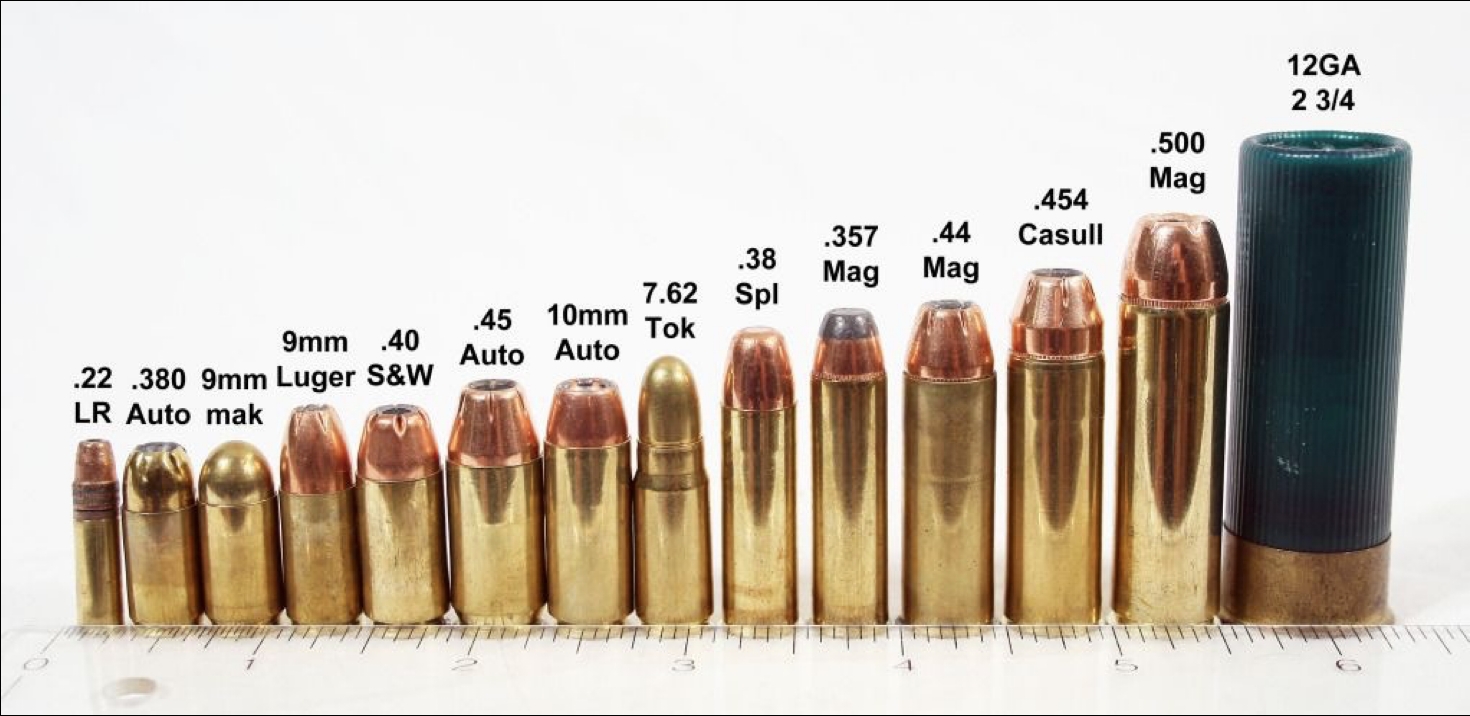
The most common pistol threat that we face on the street is the 9mm. The data clearly shows that most people are shot with handguns and are shot with a 9mm. The 9mm is the most common pistol cartridge used in violent crime today. Also, there's a 45 caliber, 38 or 357 Magnum, and a 44 Magnum, which is used in NIJ testing of body armor.
The Most Common Rifle Threats
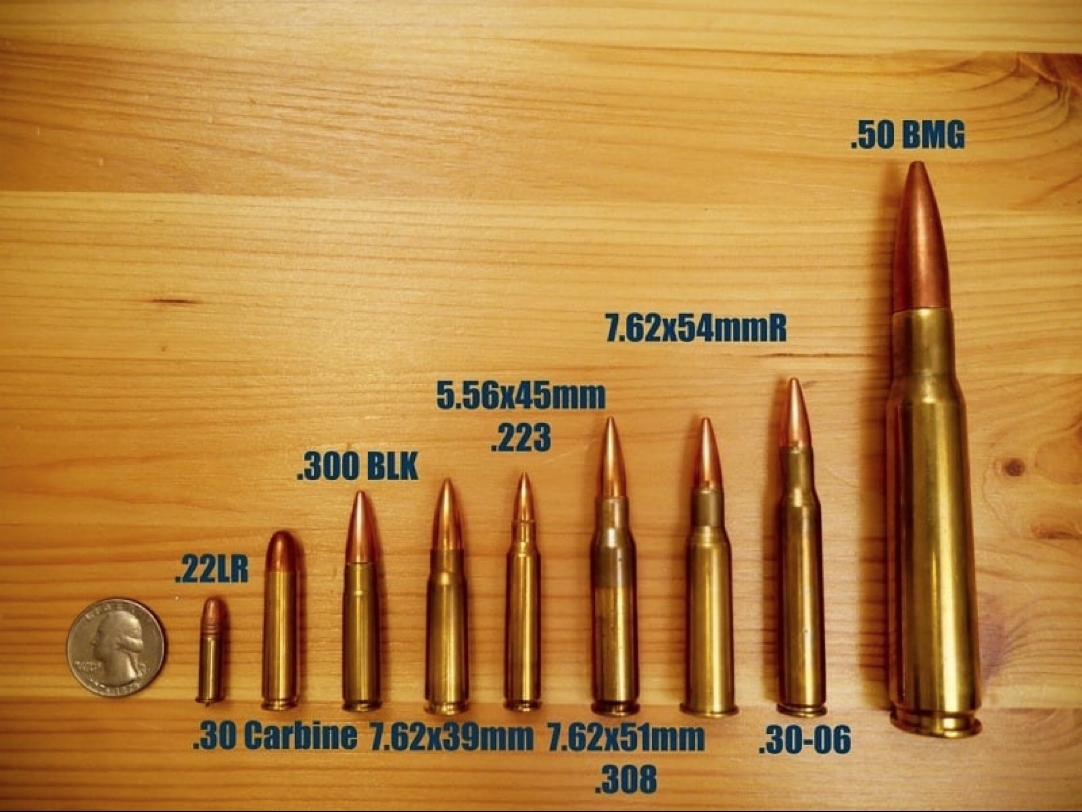
The most common rifle threats that we face on the street are:
- 5.56, AKA 223 (this is the cartridge commonly used in an AR-15 rifle.)
- 762 x 39 (used most commonly in the AK-47 or AK variant.)
- .308 and a .30-06 (Used in the NIJ testing process)
Choosing Body Armor
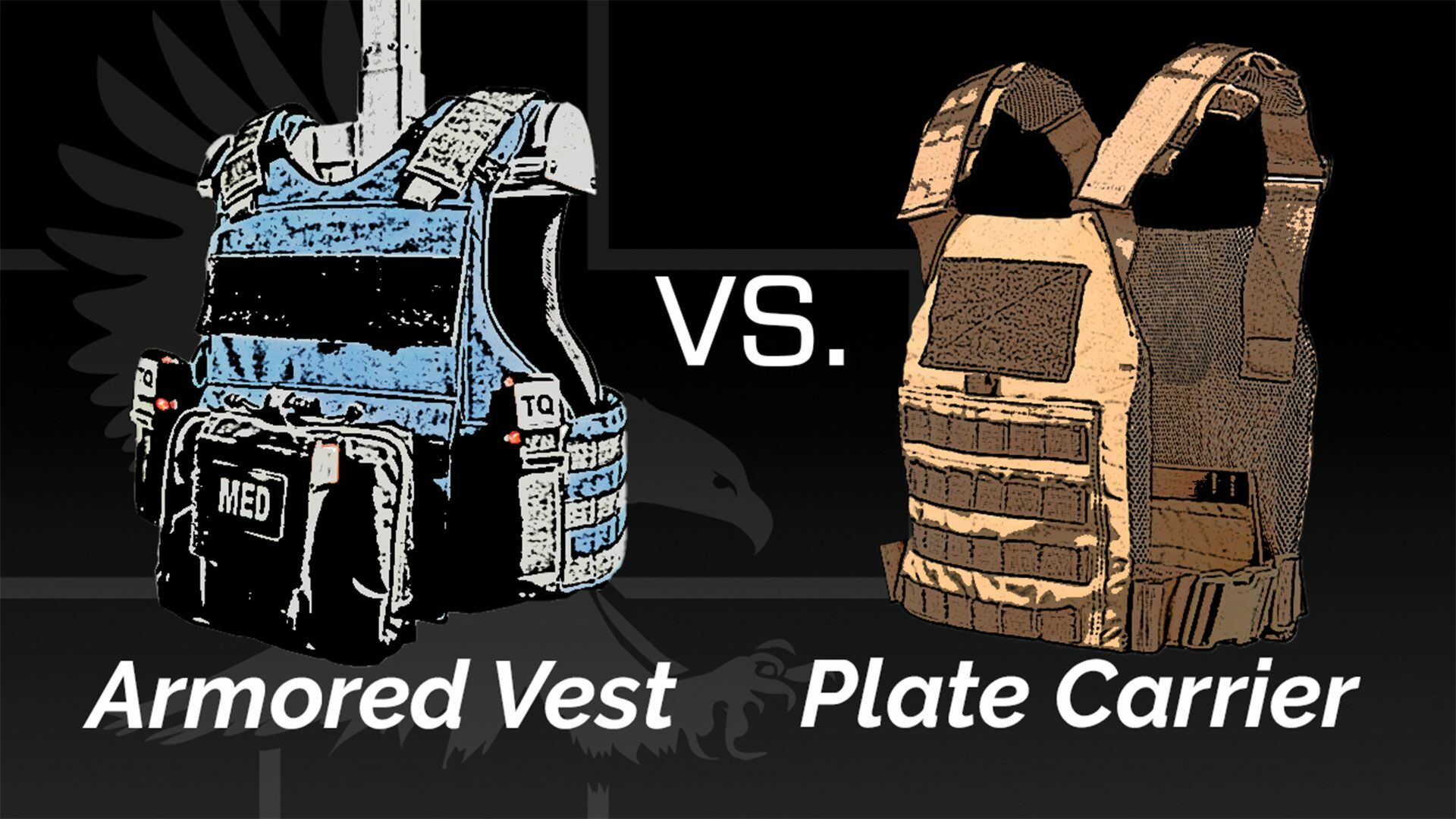
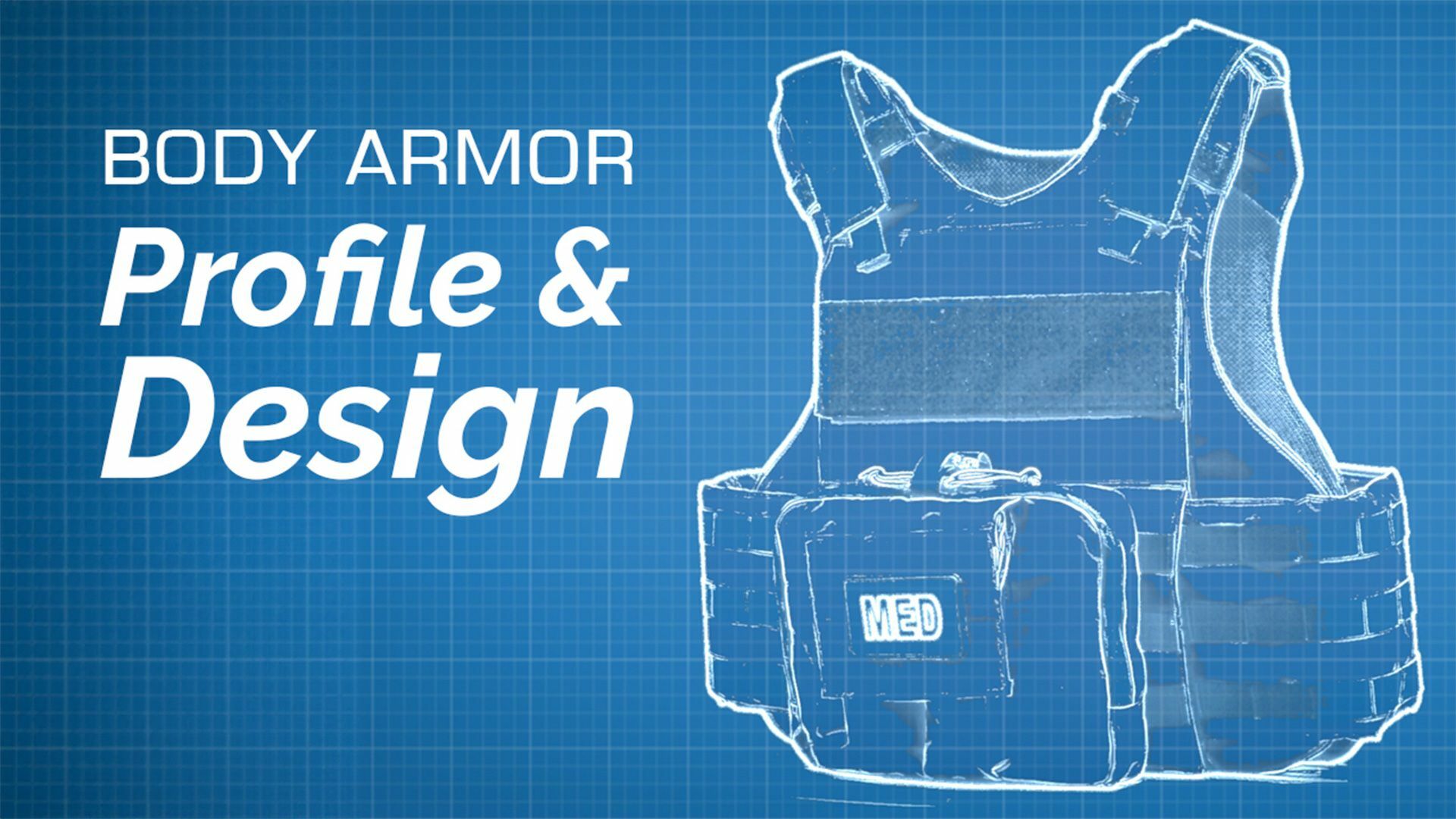
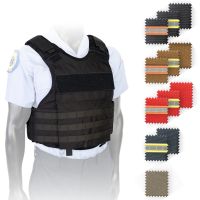
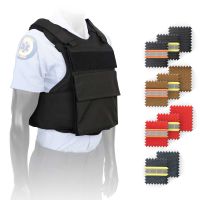
The data shows that handguns are the most common threat that we face on the street, so because of that, we recommend an NIJ-certified HG2 (Level IIIA) soft armor package, which is going to maximize your coverage and provide you with the most protection, rifle plates can then be added for a rescue task force or a tactical EMS team. Most importantly, we want to make sure that we have an armor system that's comfortable enough for daily wear, and it's designed to facilitate your job duties and functions.
And lastly, we want to change the mindset that we have with first responders. Body armor is no longer just for rescue task forces. This is something we need to consider for daily wear. We recommend you utilize HG2 as the foundation for soft armor. This is going to provide protection against most pistol threats.
It's going to maximize your coverage, allow you to still perform your job duties. For rifle plates, we recommend you go with a certified RF1 plate that, in addition, has been special threat tested against the green tip round, or M855. And as always, we want to balance between protection and function.
We want gear that's lightweight, that keeps you protected, and also allows you to perform your duties.