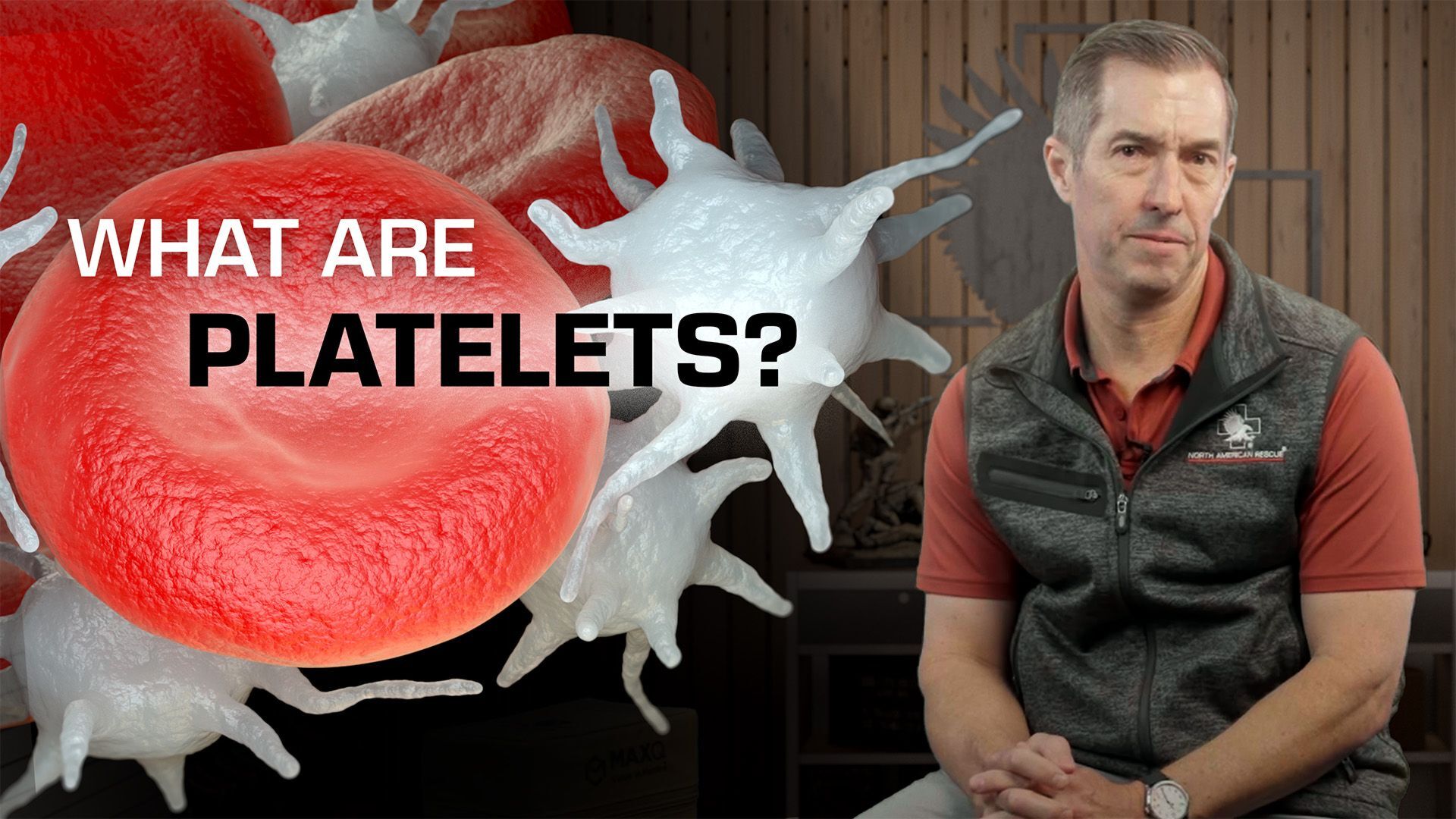

So we're going to do a series that goes over prehospital blood products, primarily for use in trauma. We'll be breaking down what's inside blood, what the different components are, how it's stored, how it's administered, and some of the advantages and disadvantages of each.
What does plasma do?
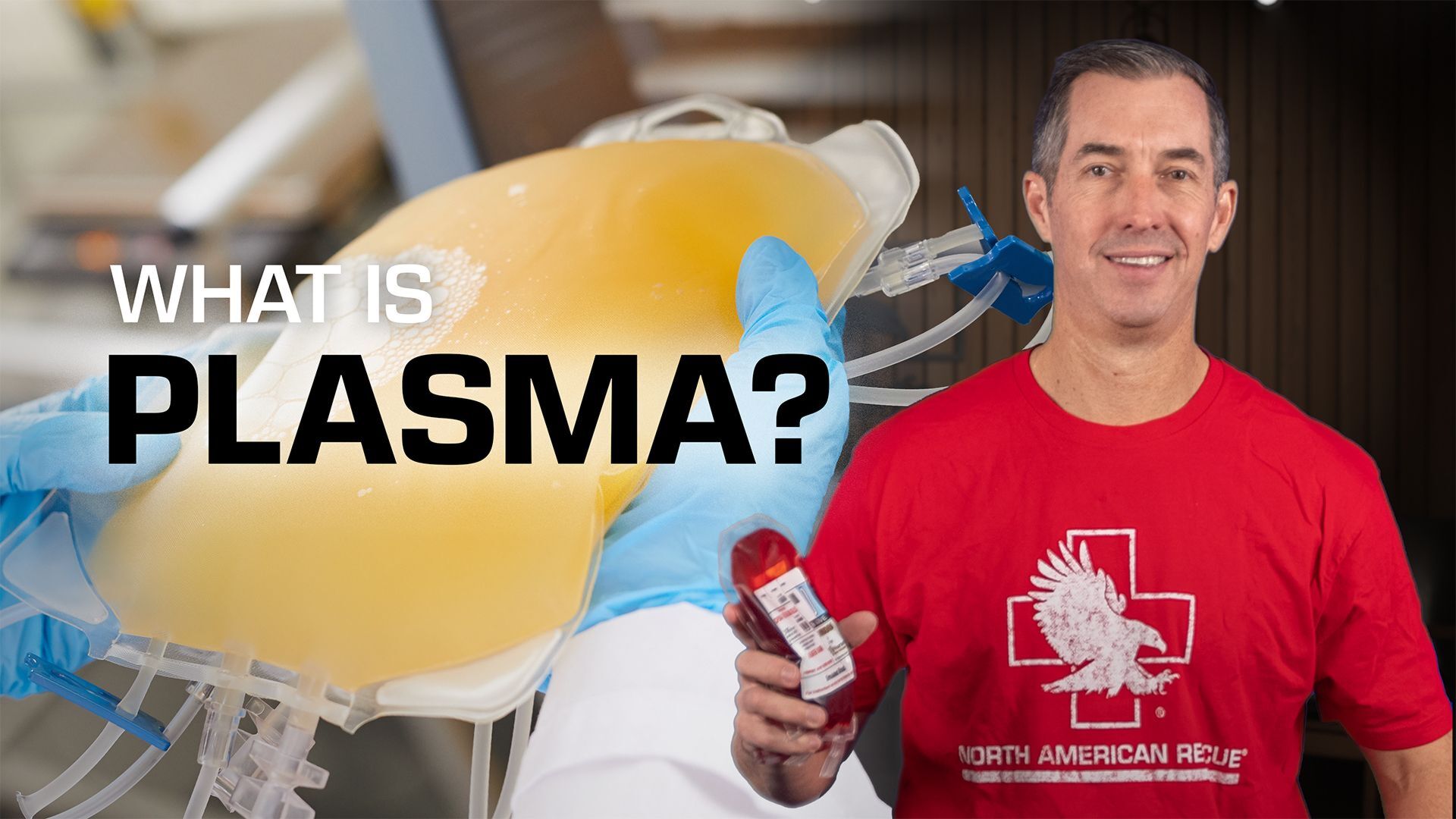
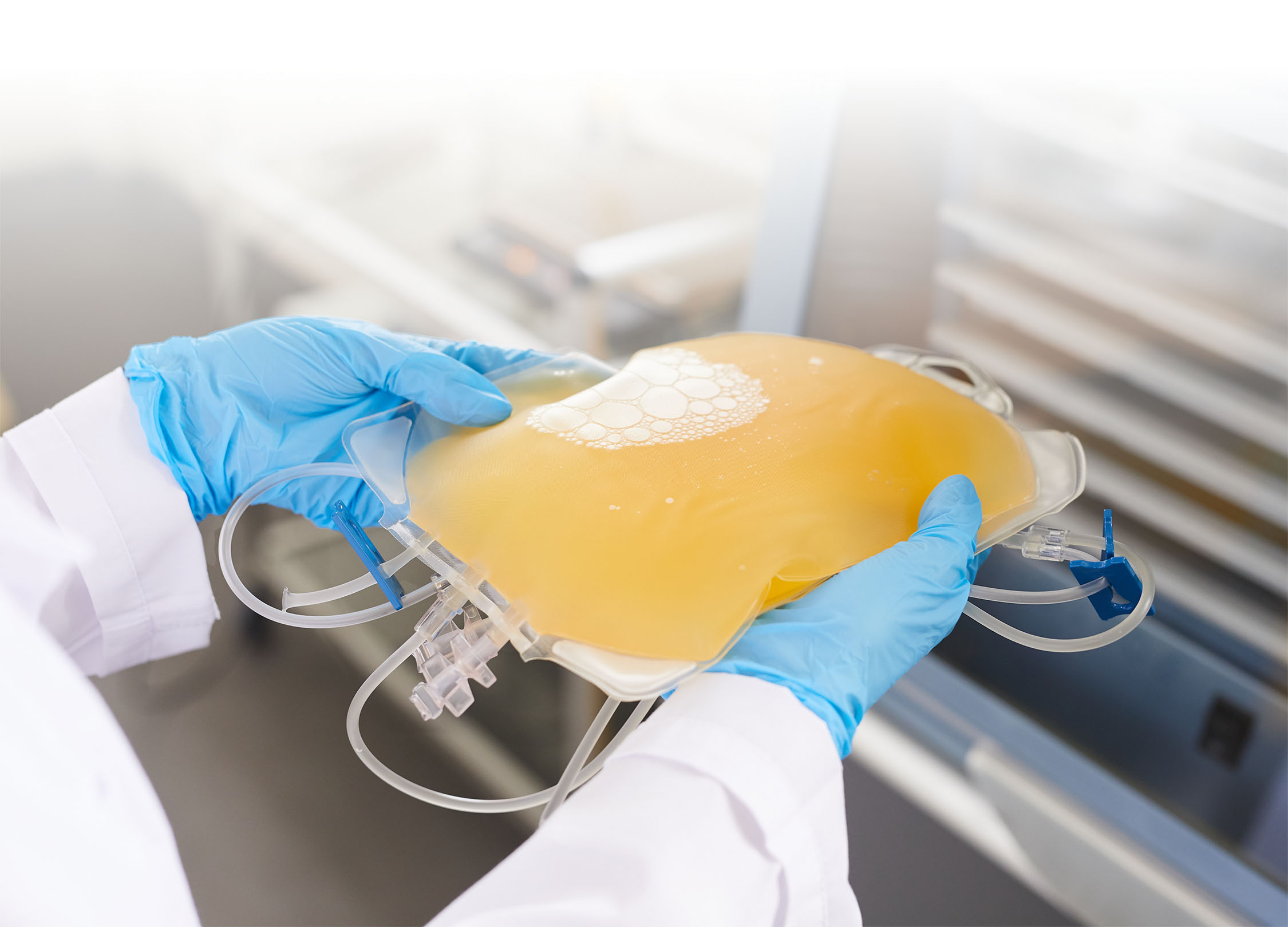
The third component in blood is plasma. Plasma is made up of a lot of different things. Primarily, it's got water. It's got proteins like albumin, which make it really, really beneficial in pre-hospital hypotensive resuscitation, because that liquid and that albumin helps create volume expansion and keeps it inside the blood vessels rather than leaking out to the rest of the body.
Clotting Factors
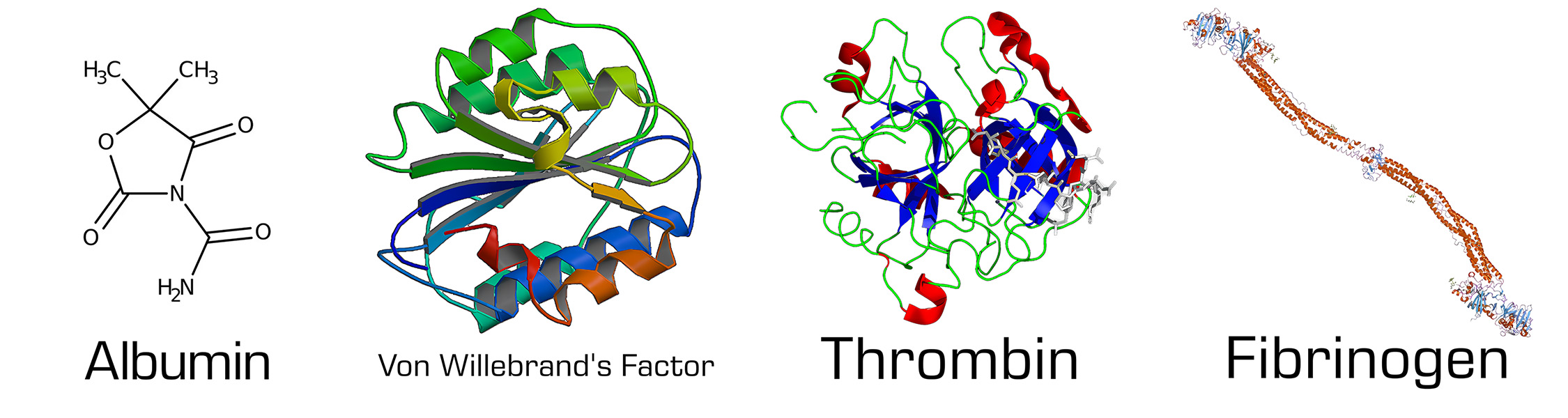
Also within plasma are clotting factors. There's several different clotting factors that are inside plasma, things like von Willebrand factor, fibrinogen, thrombin, and several other clotting factors. These are all necessary when you're bleeding to help stop that bleeding and trigger that coagulation cascade and to support that coagulation cascade. This is really what patients need when they're bleeding out, since when you're bleeding out, you start using up these clotting factors and eventually get to a point where you're really not clotting at all anymore. So even small damage to the blood vessels can bleed and bleed and bleed. Plasma replenishes those clotting factors and helps supply your body with what it needs to form those clots.
Calcium
There's also calcium in plasma, which helps to support blood pressure. Additionally, plasma helps support a normal pH or closer to a normal pH in a hemorrhagic shock patient. Hemorrhagic shock patients tend to get acidotic, and so giving them plasma will help restore them to a closer to normal pH, which is where we want them because clotting factors work much better at a normal pH than they do in an acidic pH.
Endothelium
Additionally, plasma has been shown to have very beneficial effects on the endothelium. The endothelium is the lining of blood vessels, so it's the inner wall of a blood vessel. That gets damaged whether through direct trauma, through penetrating trauma, or through things like crush injury, sepsis, and burns.
What happens is that glycocalyx gets damaged from that inflammation, and it forms these sort of holes within the blood vessel walls, and that lets fluid leak out into the third space and outside of the blood vessels. And this kind of triggers this cascade reaction where patients deteriorate. What plasma's been shown to do is really help repair that glycocalyx.
You're starting to see EMS agencies use this for burns, for sepsis, and in traumatic brain injury, where you have this diffuse injury to blood vessels within the brain and you don't want to keep having fluid leave the blood vessels, go into the outer portions, of the blood vessel, and then create increased intracerebral pressure, which eventually just kind of squeezes the brain and causes irreversible brain damage in patients.
Enhancing The Capability of Whole Blood and Red Blood Cells
So we're seeing a lot of expansive uses for plasma in the pre-hospital and in the hospital environment. It really makes it a great resuscitation fluid in the pre-hospital environment. Another great thing about plasma is that it enhances the capability of both whole blood and red blood cells. Whole blood, as I mentioned, over time will start losing clotting factors, start losing some of the proteins, and just kind of not be as efficacious as it was originally.
Patients getting whole blood that's potentially a little bit older, you can augment that with plasma. They used to do that in World War II when they noticed that giving whole blood to patients, they would keep bleeding. They'd add in some plasma. Patients clot better, and they just generally perform quite a bit better with that extra bit of plasma.
Plasma's also been talked about a lot and used a lot as a bridge to whole blood. So if you're in an area where you don't have access to whole blood or whole blood isn't readily available, you can start with plasma and then bridge over to whole blood. If you have a gap in your whole blood, you can go back to plasma and then back over to whole blood. So it really works well in tandem with whole blood.